
Natural flake graphite
Natural flake graphiteNatural graphite paper
High-carbon flexible graphite paper High-Purity Flexible Graphite Paper Ultra-Pure Graphite Paper Fuel Cell Flexible Graphite Bipolar Plate Flow Battery Flexible Graphite Bipolar PlateArtificial graphite products
Graphite Heater
Graphite Heater
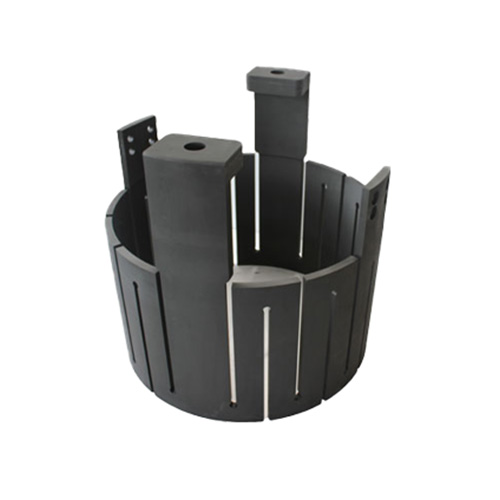
Graphite heaters are specialized heating elements made from high-purity carbon composite materials, which perform exceptionally well in high-temperature applications, especially in vacuum furnaces. These heaters possess excellent thermal properties and chemical resistance, capable of reaching operating temperatures of 3000°C in an inert gas environment and 2200°C in a vacuum environment. The heaters convert electrical energy into thermal energy through the movement of electrons within the graphite material, then transfer the heat to the surrounding environment.
Graphite Heater
Graphite heaters are specialized heating elements made from high-purity carbon composite materials, which perform exceptionally well in high-temperature applications, especially in vacuum furnaces. These heaters possess excellent thermal properties and chemical resistance, capable of reaching operating temperatures of 3000°C in an inert gas environment and 2200°C in a vacuum environment. The heaters convert electrical energy into thermal energy through the movement of electrons within the graphite material, then transfer the heat to the surrounding environment.
The main advantages of graphite heaters include:
· Material Composition and Characteristics: Made from high-purity carbon composite materials, they offer excellent temperature uniformity, service life, mechanical strength, and repeatability.
· Thermal and Chemical Resistance: Graphite is renowned for its thermal properties and chemical resistance, unaffected by thermal shock and not subject to degradation due to frequent heating and cooling cycles.
· Design and Operational Features: The design includes rounded edges and proper gap spacing to minimize gas ionization at high temperatures, enhancing the heater's expected lifespan and the maximum obtainable temperature.
· Unique Power Connection: A unique tapered fit simplifies the removal and installation of the heating element, making maintenance more convenient.
· Applications and Benefits: Increasingly popular in vacuum furnaces, they are more durable than molybdenum heating elements and have better tolerance to accidental damage.